
Start Your Week With Flow
A Weekly Nervous System Reset for Body, Mind & Spirit
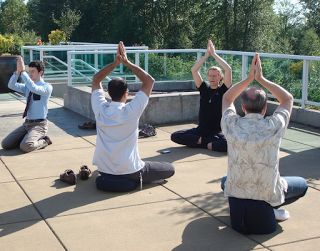
What is Qigong?
Think of qigong (pronounced “chee-gung”) as acupuncture without the needles.
This somatic practice has been around for thousands of years and is designed to regulate your internal energy.
-
Qi = Vital energy (your internal engine).
-
Gong = Skill cultivated through practice.
While Western exercise often focuses on expending energy (cardio, lifting), qigong focuses on accumulating and circulating energy.
It integrates physical postures, breathing techniques, and focused intention. You don’t need to practice Taoism to benefit from it. You just need to be willing to move.
The Body (Vitality)
Restore Your Battery: Reduce the physical effects of stress. Qigong helps lower cortisol, decrease chronic pain, and improve circulation and digestion. It is gentle movement that builds deep resilience.

The Mind (Focus)
Clear the Clutter: Moving meditation gives your busy mind a job to do. By syncing breath with movement, you quiet the mental noise and reduce anxiety, rumination, and the pressure to perform.
The Spirit (Connection)
Reconnect to Self: This is where doing shifts to being. Regular qigong practice cultivates emotional stability and inner tranquility, helping you reconnect with your essential self so you can expand peace into daily life.
What to Expect in Class
My teaching style is accessible, grounded, and welcoming to all levels. You do not need experience to join us.
-
Flowing Warm-Ups: We start by gently waking up the joints and getting the energy moving.
-
Standing Qigong Forms: We often practice specific movements (which change every few months) to cultivate focus and flow.
-
The Compassion Mudra: We conclude with a seated mudra series I developed specifically to help you cultivate self-compassion.
The Lineage: I have been practicing this specific lineage since the mid-1990s. I teach Sum Faht® Meditation and forms developed by my teacher, Leong Tan. This style blends stillness with movement, acknowledging that sometimes we need to move our bodies to quiet our minds.
Wear loose, comfortable clothing, and be prepared to stand, move, and sit.
Learn About Qigong & Somatic Regulation
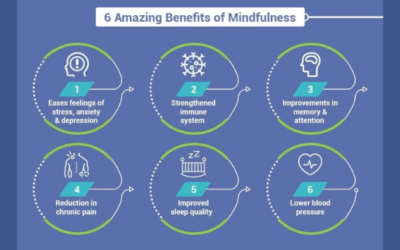
How Mindfulness Supports You as You Age
Mindfulness is the secular practice of intentional, present moment awareness of your thoughts, bodily sensations, and feelings without judgment or distress. It counteracts when your brain is on autopilot and is a useful tool helping you effectively respond to the demands of daily life. Mindfulness is an essential component of healthy aging.

Embodied Mindfulness Harmonizes Mind and Body
From a neuroscience perspective, embodied mindfulness practices combine focused awareness, intentional breathing, and meditative movement to provide unique health benefits. Qigong, one example of an embodied mindfulness practice, is shown to reduce stress, anxiety, and depression, and increase flexibility, balance, and strength.
How Deep Breathing and Qigong Reduce Anxiety
At one point or another, all of us experience anxiety. How we choose to respond to anxiety determines whether we sink into disaster fantasies or rise to a place of peace. One reason I love to teach deep breathing techniques and qigong is because of the benefit I’ve seen in my own life while practicing these learnable skills.