I recently read something fascinating in Axios the other morning that stopped me in my tracks.
According to a 2026 trends report from Hilton, 72% of travelers say they no longer just want to switch off during their time away. They want to use their vacation to explore a personal passion or learn a new skill.
Industry experts are calling it the skillcation. But for those of us looking for deep restoration, I believe this trend points toward something even more vital: Somatic Travel.
From mastering mahjong in Wisconsin to learning the art of falconry in Georgia, the data shows that we are craving something deeper than a margarita by the pool. Our time off is now viewed as an investment. We want to come back not just refreshed, but smarter.
This makes perfect sense to me. The people who travel with me—dynamic professionals, curious seekers, and lifelong learners—love growth. They are not the type to sit idle.
But that brief article got me thinking.
While learning to cook gourmet meals or forage for mushrooms is wonderful, I believe one skill actually dictates the quality of your life more than any other. It is the one skill that determines how you handle your morning commute, your difficult conversations, and your sleep quality. Yet, it is the one skill we rarely take the time to learn.
The skill of regulating your nervous system.
The Ultimate Souvenir
We often treat our bodies like suitcases—we just drag them along with us wherever we go.
Think about the standard vacation model. We rush through airports, bracing against the noise and the crowds. We power through jet lag because we don’t want to waste a day sleeping. We cram our itineraries full of sights because the fear of missing out drives us to keep moving.
We physically arrive in a beautiful location, but our internal operating system is still running on the high-beta waves of stress and survival. We might come back with photos, but we often come back just as wired—or just as tired—as when we left.
Somatic travel is different.
It is a skillcation for your internal operating system. It is the conscious decision to use travel not just as a change of scenery, but as a change of state.
When you join me in Iceland, Scotland, Patagonia, Tunisia, Tanzania, or anywhere else I go, we aren’t just looking at scenery. We are using the environment as a laboratory to learn and practice the skills of BodyMind IntelliSense.
We don’t just visit the world; we learn to embody the wisdom the world offers us.
The World as Your Laboratory
When we travel with a somatic focus, every landscape becomes a teacher. We move beyond the intellectual appreciation of nature (“Oh, that’s pretty”) into a visceral interaction with it.
Here is what that looks like in practice.
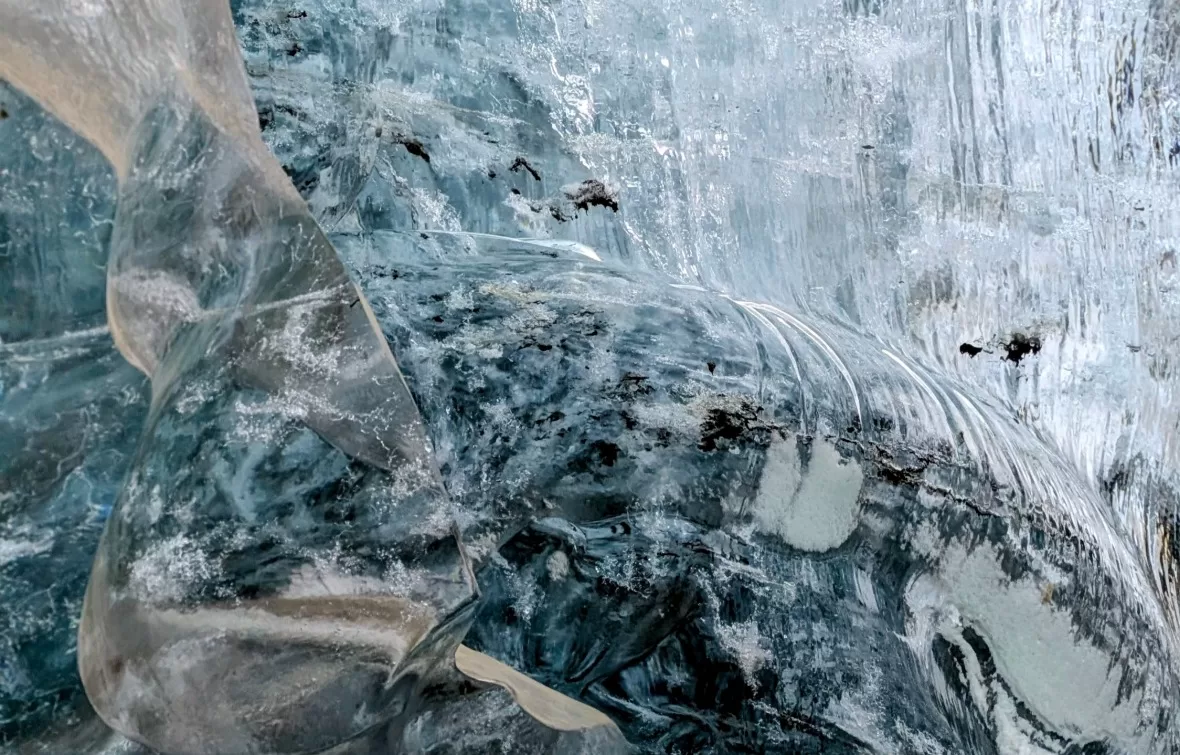
Iceland: Finding Stillness in Movement
In Iceland, we stand before massive glaciers. To the naked eye, a glacier looks frozen and static. But it is actually a river of ice, constantly moving, shaping the earth beneath it with immense but quiet power.
We use these glaciers to learn how to find stillness in the midst of movement. In our daily lives, we often feel that to be productive, we must be frantic.
The glacier teaches us a different rhythm: powerful, relentless forward motion that comes from a place of solidity rather than chaos. We practice standing qigong in the presence of this energy, learning to ground ourselves so deeply that the frantic pace of the modern world flows around us without knocking us off center.
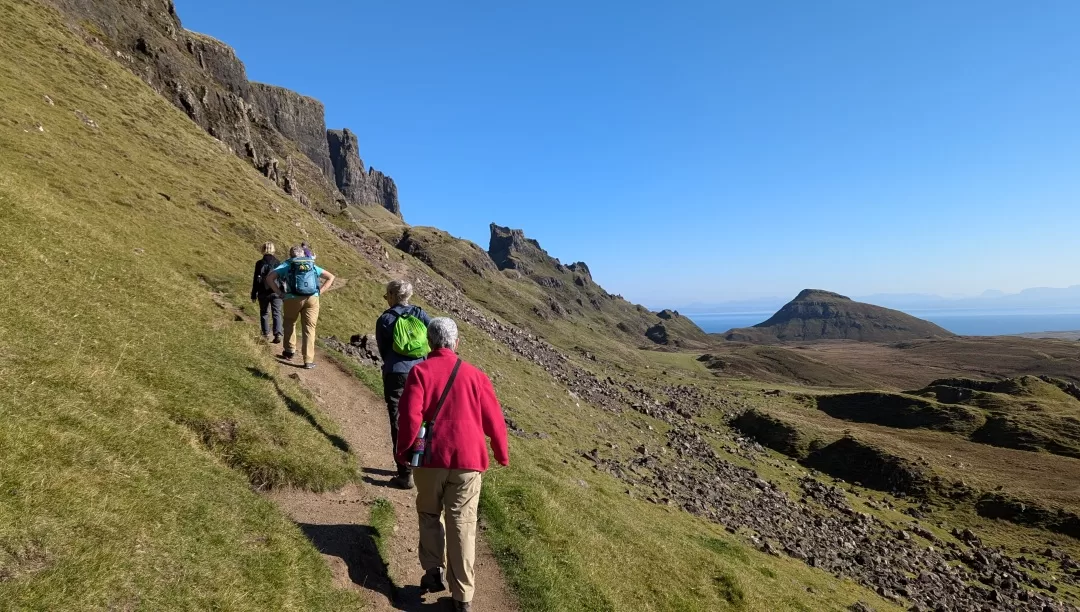
Scotland and Patagonia: Dropping the Mental Load
In the highlands of Scotland or the peaks of Patagonia, we hike. But this isn’t just exercise; it is a somatic practice.
The physical act of walking provides bilateral stimulation—the rhythmic left-right movement that helps the brain process and release stress. We use the slow motion of hiking as an opportunity to practice releasing the mental load we’ve been carrying.
With every step, we practice dropping our shoulders. With every incline, we notice where we are bracing or forcing our way up the hill, and we invite the body to soften. We learn to climb mountains while breathing deeply and without clenching our jaws.
This is a profound lesson to take back into everyday life: you can achieve high elevations or lofty goals without destroying your body in the process.
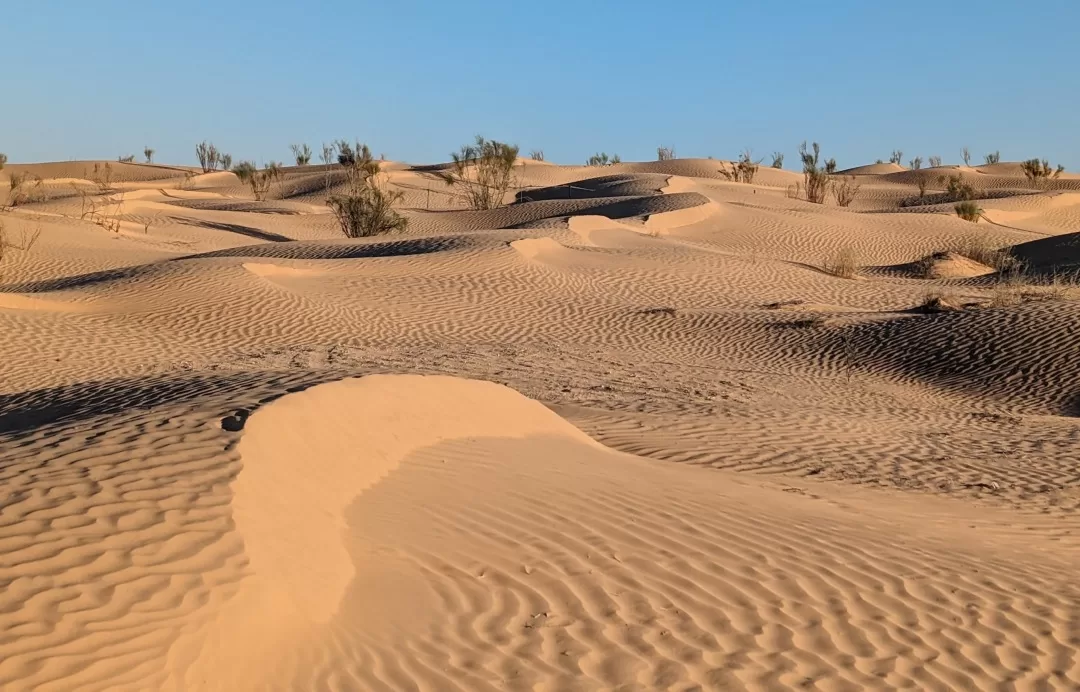
The Sahara Desert: The Practice of Patience
In Tunisia, we spend time in the Sahara Desert, completely disconnected from technology. No Wi-Fi. No notification pings. Only the wind, the sand, the camels, and your companions.
For a modern nervous system addicted to dopamine hits, this silence can initially feel confronting. But we use this container as a practice in patience. We allow the nervous system to detox from the urgency of the digital world. We learn that the world does not end if we do not respond immediately.
In the vastness of the dunes, our internal clock resets to a natural rhythm, teaching us to connect with the power in the pause.
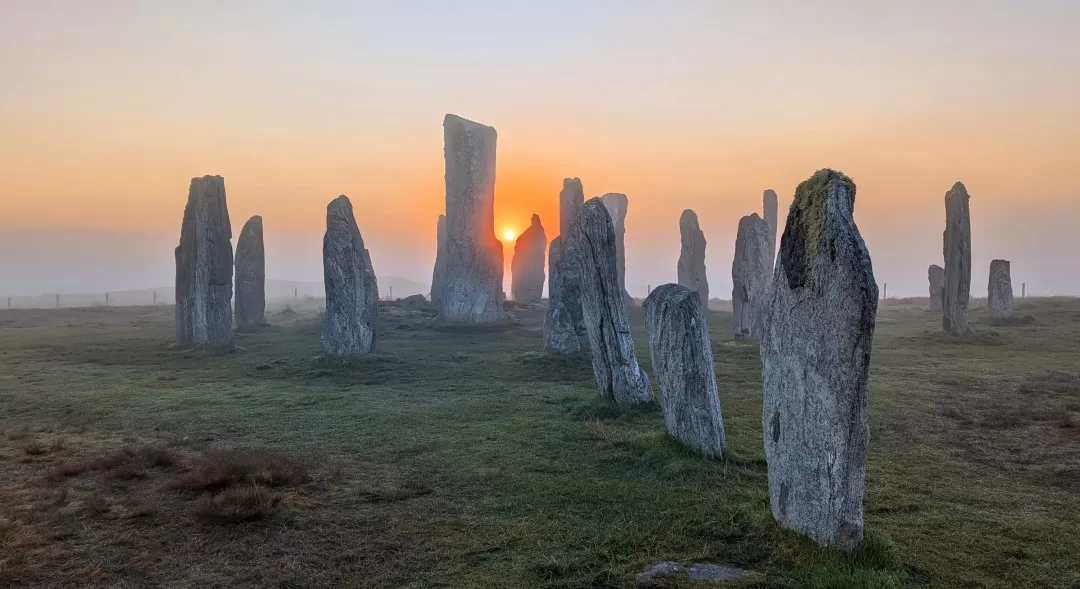
Ancient Sites: The Perspective of Deep Time
Whether we are in the ancient medinas of Tunisia or the historic sites of Scotland, we stand in places that have witnessed thousands of years of human history.
We visit these ancient and sacred sites to connect with the past and recognize the expansiveness of time. Standing in a structure that has survived empires and eras helps us realize that the hard-driving news of today is momentary in the long run.
This isn’t about minimizing your reality; it is about finding peace through perspective. When you somatically experience the durability of history, the immediate chaos of your inbox or the nightly news loses its grip on your nervous system. You realize you are part of a longer, larger story. You can breathe again.
The Methodology: How We Learn
When you travel with me, the nervous system reset doesn’t happen through osmosis. We don’t just hope the relaxation happens by accident. We actively cultivate it.
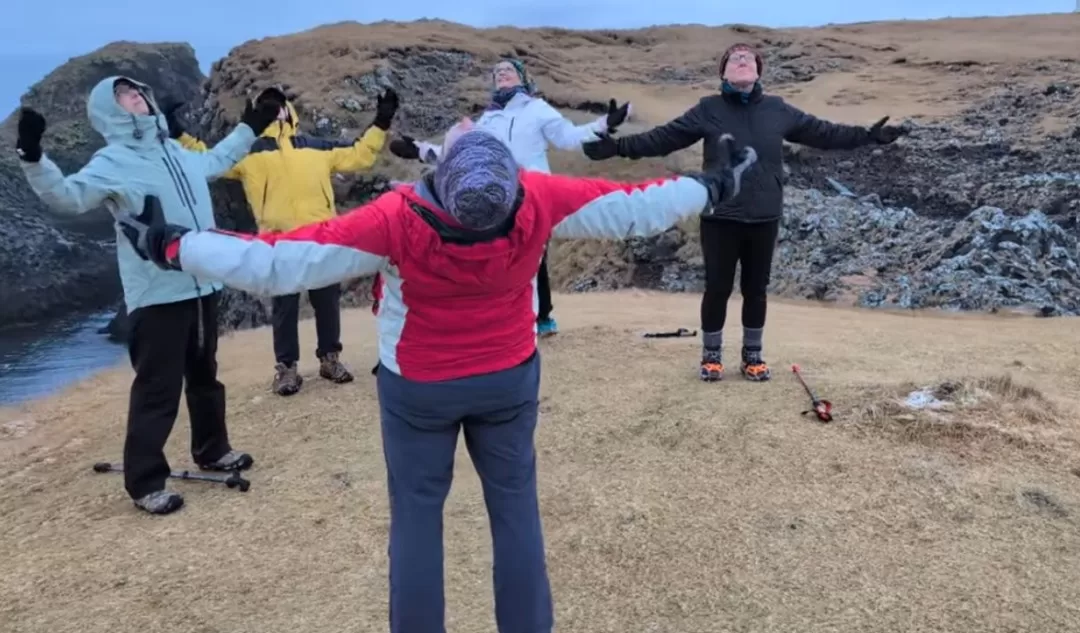
We practice qigong in the open air. Instead of contracting in defense—which is what we do when we sit at computers or drive in traffic—we use qigong movements to open the chest and expand our energy field. We signal to the primal brain that it is safe to take up space.
We engage in compassionate conversation. Our groups move beyond small talk. We have conversations about how compassion shows up in daily life through action. We discuss how to maintain these boundaries when we return to our families and workplaces. We support each other not just as travel companions, but as partners in practice.
Skills That Outlast the Bucketlist
The Axios article noted that these experience-based skillcations are a financial commitment, averaging around $7,000. And, as with any good investment, it is worth considering the ROI (return on investment).
If you go to a beach resort for a spa week, the relaxation is wonderful. But usually, that relaxation wears off about three days after you return to the office. The emails pile up, the stress returns, and the feeling of Zen is gone. The tan fades, and you are back to square one.
If you opt for the whirlwind bucket-list tour, the sights may inspire awe, but you come home exhausted, feeling like you need another vacation just to catch up on sleep.
But when you travel with me and learn, practice, and integrate the skills of somatic regulation? That doesn’t fade.
When you learn how to spot your own form of stiffness and force—that unconscious tension you hold when you’re stressed—you possess a tool you can use forever. When you learn how to soften into flow while hiking a mountain, you can replicate that sensation when you are navigating any challenging circumstances.
You take that skill with you into every new project, every family dinner, and every deadline for the rest of your life.
Come Home Revitalized
If you are part of the 72% who want more than just a break—if you want a breakthrough—I invite you to join us. In my video series with my friend Heather, one of our conversations, Why You Shouldn’t Need a Vacation from Your Vacation, focuses on the benefits and effects of somatic travel.
This year, don’t just book a trip. Book a transformation. Come learn the skill that makes all other skills possible: the ability to be at home in your own body, no matter where you are in the world.
Reset your nervous system. Align your focus. Integrate your mind and body.
Let’s leave the force at home. Let’s go find your flow.
Take a look at the Spiritual Tours menu above to see which landscape calls to you. Or learn more about my approach to travel HERE.